

AI Music Generators — How Artificial Intelligence Is Reshaping the Music Industry
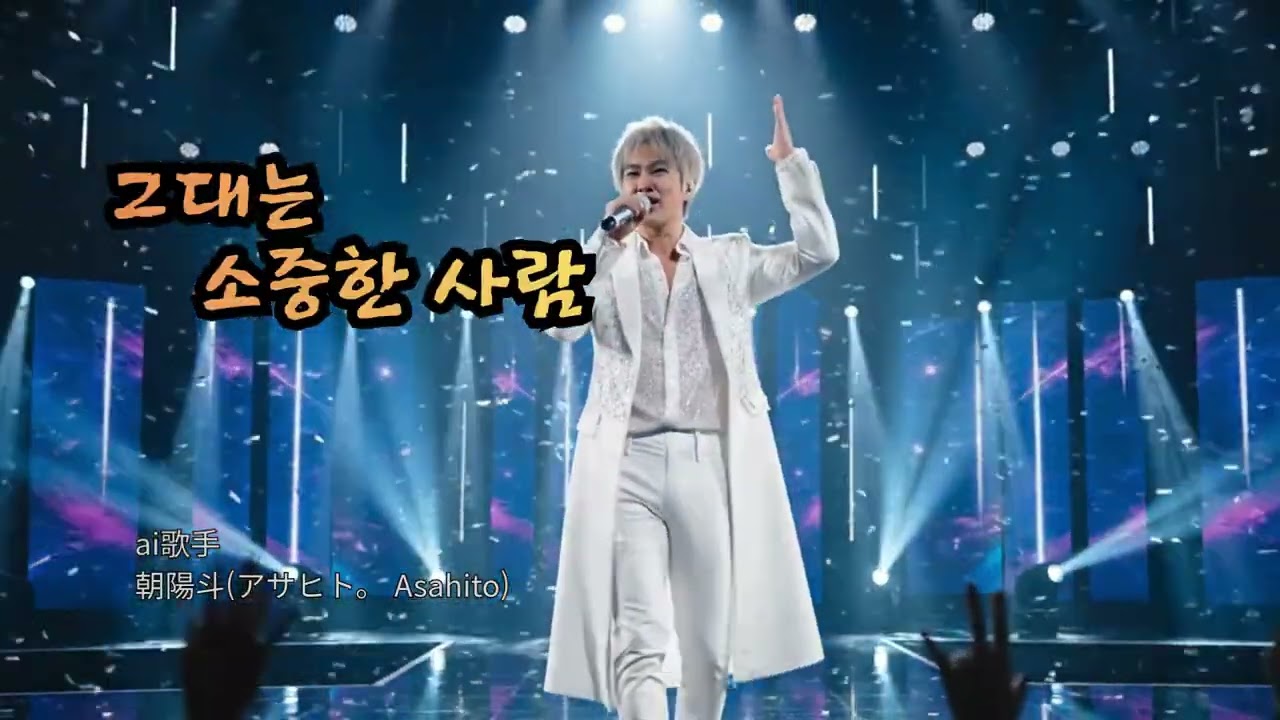
Artificial intelligence (AI) has penetrated deeply into the music industry, transforming how music is created, produced, and consumed. What once required expert musicians and specialized studios can now be generated with machine learning algorithms and AI tools, lowering traditional barriers to music creation and sparking both excitement and controversy within the industry. 위키백과
AI Tools as Creative Partners
AI music generation tools such as Sunoand Udioallow users to create full tracks, instrumentals, or vocal lines from simple text prompts or audio snippets. These platforms use large datasets of existing music and deep learning models to emulate melodies, harmonies, and rhythms — effectively serving as creative partnersin the composition process. 위키백과+1
This democratisation has widened access to music creation. Previously, professional-level music production relied on expensive hardware and technical expertise; today, AI tools enable independent musicians and hobbyists to produce polished compositions using just a laptop or smartphone. Such tools can also assist professional artists by suggesting chord progressions, arranging sections, or generating beats, allowing creators to focus more on overarching aesthetic decisions. 위키백과
Accelerating Innovation, Expanding Creativity
AI’s influence extends beyond convenience. It opens up new creative avenues, from genre blendingto personalised music experiences. AI-generated compositions can experiment with styles and structures that human composers may overlook, leading to a richer diversity of sounds and musical moods. AI platforms are increasingly being used to tailor music to individual listener preferences, potentially enhancing engagement and deepening emotional connection. Mixed In Key
In addition, AI can reduce time spent on technical tasks such as editing, arranging and mastering. Automating these processes increases productivity and enables creators to iterate rapidly on musical ideas, transforming how albums, soundtracks, and even live performances are produced. 위키백과
Challenges and Controversies
Despite its potential, AI’s rise in music creation raises significant challenges.
One of the most pressing issues is copyright and ownership. AI models are trained on massive datasets of existing music, often without clear licensing agreements, leading to disputes over who owns the rights to AI-generated works and whether creators whose works were used to train models should be compensated. 위키백과+1
Critics also question the emotional depth and authenticityof AI music. While generative AI can mimic stylistic elements of human composition, many argue that it still lacks the nuance and intentionthat come from lived emotional experience. As a result, AI-generated music may occasionally feel formulaic or generic compared with human-crafted songs. 위키백과
There are also concerns about the flooding of music platformswith low-quality AI tracks that can saturate streaming services and dilute listener attention. Cases have emerged where millions of AI-generated tracks, sometimes even mimicking specific artists, raise questions about content quality and platform integrity. 위키백과
Redefining the Role of the Musician
AI is prompting a re-evaluation of what it means to be a musician in the digital age. Rather than replacing human creators, many view AI as a collaborative tool— one that augments human creativity and expands the palette of musical possibilities. Successful artists are embracing AI to enhance their workflow, using it to generate ideas, explore new sounds, and break creative block. Le CNM : Centre national de la musique
However, with this shift comes a responsibility for the industry to establish fair frameworks for attribution, compensation and ethical use. Current models of royalties and copyright protection are ill-equipped to handle the scale and complexity of AI-driven music production, prompting calls for more transparent and equitable systems. arXiv
A Dynamic Future for Music
The integration of AI into music creation is not a fleeting trend but a structural shift. As generative models continue to advance — improving emotional expressiveness and musical coherence — the collaboration between human creativity and machine intelligence is likely to become more seamless. This evolution presents both risks and opportunities: redefining music creation, broadening access for new voices, and challenging the industry to innovate responsibly.
As the industry adapts, one certainty remains clear: AI will be a central player in shaping the future of music, forcing artists, producers, and listeners alike to reconsider long-held assumptions about creativity, technology, and artistic value. Mixed In Key
)
)


)

)